Showing posts with label Joachim Løvschall. Show all posts

Sunday, March 29, 2026

29 years without justice for Danish student gunned down in Havana by a soldier

"There may be times when we are powerless to prevent injustice, but there must never be a time when we fail to protest." - Elie Wiesel, Nobel Lecture 1986


Joachim Løvschall was studying Spanish in Havana in the spring of 1997. He was gunned down by a soldier of the Castro regime in Havana, Cuba twenty nine years ago on March 29, 1997. 

The soldier's identity was never revealed to Joachim''s family. 

No one was brought to justice. 

Joachim's family is not satisfied with the official story.

The last time they saw Joachim
On March 28, 1997 Joachim Løvschall ate his last meal with white wine in a little restaurant called Aladin, located on 21st street in Havana. 

He went to the Revolutionary Plaza and bought a ticket to the Cuban National Theater. 

Following the performance he went to the theater's bar, Cafe Cantante, and met up with two Swedish friends. They each drank a couple of beers, but soon left because Joachim did not like the music. 

At 23:30, they said good bye to each other on the sidewalk in front of Cafe Cantante. 

Joachim was never seen alive again. 

Last seen in the front of Cafe Cantante


The Castro regime's version of what happened
On September 28, 1997 the Danish newspaper Jyllands-Posten published an article by Kim Hundevadt titled "Dangerous Vacation" that outlined what happened to Joachim Løvschall and presented the Cuban dictatorship's version of the events leading to this young man's death.

Around 23:30, a person matching Joachim Løvschall's description was in a bar named Segundo Dragon d'Oro. The bar lies in the hopeless part of town, around the Revolutionary Plaza which is dominated by ministry and other official buildings of harsh concrete architecture, and lies empty in at night.
At 2:45am he left the bar, after becoming intoxicated. Around 20 minutes later, he was walking down the Avenue Territorial, behind the Defense Ministry.
Joachim Løvschall walked, according to the Cuban authorities, first on the sidewalk that lies opposite the Ministry. Midway he crossed over to the other sidewalk, considered to be a military area, though it is not blocked off.
The Cubans have explained that Joachim Løvschall was shouted at by two armed guards, who in addition fired warning shots, which he did not react to. Therefore, one guard shot from the hip with an AK-47 rifle. The first shot hit Joachim in the stomach and got him to crumble down. The second shot hit slanting down the left side of the neck.

Joachim Løvschall: December 7, 1970 - March 29, 1997
 

Nineteen years ago
On June 12, 2007 Christian Løvschall, Joachim's father, at a parallel forum at the United Nations Human Rights Council spoke about his son's disappearance and the struggle to find out if Joachim was dead or alive:

"Although the killing took place on the 29th of March, we only came to know about it on the 6th of April - i.e. after 8 days were we had the feeling that the Cuban authorities were unwilling to inform anything about the incident. Only because of good relations with Spanish speaking friends in other Latin American countries did we succeed in getting into contact with the family with whom Joachim stayed and the repeated message from their side was that they could reveal nothing, but that the situation had turned out very bad and that we had to come to Cuba as soon as possible. At the same time all contacts to the responsible authorities turned out negatively... Only after continued pressure from our side on the Cuban embassy in Copenhagen, things suddenly changed and the sad information was given to us by our local police on the evening of the 6th of April. We are, however, 100% convinced that had we not made use of our own contact and had we not continued our pressure on the embassy in Copenhagen, we might have faced a situation where Joachim would have been declared a missing person, a way out the Cuban authorities have been accused of applying in similar cases."
 Ten years later Christian Løvschall outlined what he knew concerning his son's untimely death:
We do feel we were (and still are) left with no answers except to maybe one of the following questions: Where, When, Who, Why Starting out with the where we were told that Joachim was killed by the soldiers outside the Ministry of Interior.
Where
What we do not understand is why no fence or signs did inform that this is a restricted area? I have been on the spot myself, and the place appears exactly like a normal residential area. So you may question whether this in fact was the place of the killing? Contrary to this the authorities keep maintaining that the area was properly sealed off, and the relevant sign posts were in place.
When
As to when Joachim was killed we only have the information received from the police because of the delay informing one might believe that this is another forgery made up to cover the truth.
Who
The who was in our opinion has never been answered by the Cuban authorities. We understand that a private soldier on duty was made responsible for the killing, and also it has been rumored that his officer in charge has been kept responsible. This is of course the easy way out, but why can't we get to know the whole and true story?   
Why 
Why did the soldiers have to fire two shots, one to his body and one to his head, to murder him? Was Joachim violent and did he, an unarmed individual, attack the armed soldiers? Or is it simply that the instruction to Cuban soldiers are: first you shoot and then you ask? But again: Who can explain why two shots were needed?

Despite the claims made by the travel industry there have been other travelers to Cuba who have been killed or gone missing under suspicious circumstances. 

Others have been falsely imprisoned in legal proceedings that fall far short of international standards. 

Like North Korea, but with a tropical twist, Cuba suffers a dictatorship where both nationals and foreigners have no legal protections locally if they run into trouble with the regime. 

The ongoing plight of Benjamin Tomlin, who has spent seven years and eight months in a Cuban prison, should lead others considering a holiday in Cuba to think twice. 

So should what happened to Joachim Løvschall on March 29, 1997 when he was gunned down by an AK-47wielding Cuban soldier for allegedly walking on the wrong sidewalk.


Saturday, March 29, 2025

28 years without justice for Danish student gunned down in Havana by a soldier

"There may be times when we are powerless to prevent injustice, but there must never be a time when we fail to protest." - Elie Wiesel, Nobel Lecture 1986


Joachim Løvschall was studying Spanish in Havana in the spring of 1997. He was gunned down by a soldier of the Castro regime in Havana, Cuba twenty eight years ago on March 29, 1997. The soldier's identity was never revealed to Joachim''s family. No one was brought to justice. Joachim's family is not satisfied with the official story.

The last time they saw Joachim
On March 28, 1997 Joachim Løvschall ate his last meal with white wine in a little restaurant called Aladin, located on 21st street in Havana. He went to the Revolutionary Plaza and bought a ticket to the Cuban National Theater. 

Following the performance he went to the theater's bar, Cafe Cantante, and met up with two Swedish friends. They each drank a couple of beers, but soon left because Joachim did not like the music. At 23:30, they said good bye to each other on the sidewalk in front of Cafe Cantante. 

Joachim was never seen alive again. 

Last seen in the front of Cafe Cantante


The Castro regime's version of what happened
On September 28, 1997 the Danish newspaper Jyllands-Posten published an article by Kim Hundevadt titled "Dangerous Vacation" that outlined what happened to Joachim Løvschall and presented the Cuban dictatorship's version of the events leading to this young man's death.

Around 23:30, a person matching Joachim Løvschall's description was in a bar named Segundo Dragon d'Oro. The bar lies in the hopeless part of town, around the Revolutionary Plaza which is dominated by ministry and other official buildings of harsh concrete architecture, and lies empty in at night.
At 2:45am he left the bar, after becoming intoxicated. Around 20 minutes later, he was walking down the Avenue Territorial, behind the Defense Ministry.
Joachim Løvschall walked, according to the Cuban authorities, first on the sidewalk that lies opposite the Ministry. Midway he crossed over to the other sidewalk, considered to be a military area, though it is not blocked off.
The Cubans have explained that Joachim Løvschall was shouted at by two armed guards, who in addition fired warning shots, which he did not react to. Therefore, one guard shot from the hip with an AK-47 rifle. The first shot hit Joachim in the stomach and got him to crumble down. The second shot hit slanting down the left side of the neck.

Joachim Løvschall: December 7, 1970 - March 29, 1997
 

Eighteen years ago
On June 12, 2007 Christian Løvschall, Joachim's father, at a parallel forum at the United Nations Human Rights Council spoke about his son's disappearance and the struggle to find out if Joachim was dead or alive:

"Although the killing took place on the 29th of March, we only came to know about it on the 6th of April - i.e. after 8 days were we had the feeling that the Cuban authorities were unwilling to inform anything about the incident. Only because of good relations with Spanish speaking friends in other Latin American countries did we succeed in getting into contact with the family with whom Joachim stayed and the repeated message from their side was that they could reveal nothing, but that the situation had turned out very bad and that we had to come to Cuba as soon as possible. At the same time all contacts to the responsible authorities turned out negatively... Only after continued pressure from our side on the Cuban embassy in Copenhagen, things suddenly changed and the sad information was given to us by our local police on the evening of the 6th of April. We are, however, 100% convinced that had we not made use of our own contact and had we not continued our pressure on the embassy in Copenhagen, we might have faced a situation where Joachim would have been declared a missing person, a way out the Cuban authorities have been accused of applying in similar cases."
 Ten years later Christian Løvschall outlined what he knew concerning his son's untimely death:
We do feel we were (and still are) left with no answers except to maybe one of the following questions: Where, When, Who, Why Starting out with the where we were told that Joachim was killed by the soldiers outside the Ministry of Interior.
Where
What we do not understand is why no fence or signs did inform that this is a restricted area? I have been on the spot myself, and the place appears exactly like a normal residential area. So you may question whether this in fact was the place of the killing? Contrary to this the authorities keep maintaining that the area was properly sealed off, and the relevant sign posts were in place.
When
As to when Joachim was killed we only have the information received from the police because of the delay informing one might believe that this is another forgery made up to cover the truth.
Who
The who was in our opinion has never been answered by the Cuban authorities. We understand that a private soldier on duty was made responsible for the killing, and also it has been rumored that his officer in charge has been kept responsible. This is of course the easy way out, but why can't we get to know the whole and true story?   
Why 
Why did the soldiers have to fire two shots, one to his body and one to his head, to murder him? Was Joachim violent and did he, an unarmed individual, attack the armed soldiers? Or is it simply that the instruction to Cuban soldiers are: first you shoot and then you ask? But again: Who can explain why two shots were needed?

Despite the claims made by the travel industry there have been other travelers to Cuba who have been killed or gone missing under suspicious circumstances. 

Others have been falsely imprisoned in legal proceedings that fall far short of international standards. Like North Korea, but with a tropical twist, Cuba suffers a dictatorship where both nationals and foreigners have no legal protections locally if they run into trouble with the regime. 

The ongoing plight of Benjamin Tomlin, who has spent seven years in a Cuban prison, should lead others considering a holiday in Cuba to think twice. 

So should what happened to Joachim Løvschall on March 29, 1997 when he was gunned down by an AK-47 wielding Cuban soldier for allegedly walking on the wrong sidewalk.


Wednesday, March 29, 2023

26 years without justice for Danish student gunned down in Havana by a soldier

  "There may be times when we are powerless to prevent injustice, but there must never be a time when we fail to protest." - Elie Wiesel, Nobel Lecture 1986

Joachim Løvschall was studying Spanish in Havana in the spring of 1997. He was gunned down by a soldier of the Castro regime in Havana, Cuba twenty six years ago today on March 29, 1997. The identity of the soldier was never revealed to Joachim''s family. No one was brought to justice. Joachim's family is not satisfied with the official explanation.

The last time they saw Joachim
On March 28, 1997 Joachim Løvschall ate his last dinner with white wine in a little restaurant called Aladin, located on 21st street in Havana. He went to the Revolutionary Plaza and bought a ticket to the Cuban National Theater. Following the performance he went to the theater's bar, Cafe Cantante, and met up with two Swedish friends. They each drank a couple of beers, but soon left because Joachim did not like the music. At 23:30, they said good bye to each other on the sidewalk in front of Cafe Cantante. 


Joachim was never seen alive again. 

Last seen in the front of Cafe Cantante

The Castro regime's version of what happened
On September 28, 1997 the Danish newspaper Jyllands-Posten published an article by Kim Hundevadt titled "Dangerous Vacation" that outlined what happened to Joachim Løvschall and presented the Castro dictatorship's version of the events leading to this young man's death:

Around 23:30, a person matching Joachim Løvschall's description was in a bar named Segundo Dragon d'Oro. The bar lies in the hopeless part of town, around the Revolutionary Plaza which is dominated by ministry and other official buildings of harsh concrete architecture, and lies empty in at night.
At 2:45am he left the bar, after becoming intoxicated. Around 20 minutes later, he was walking down the Avenue Territorial, behind the Defense Ministry.
Joachim Løvschall walked, according to the Cuban authorities, first on the sidewalk that lies opposite the Ministry. Midway he crossed over to the other sidewalk, considered to be a military area, though it is not blocked off.
The Cubans have explained that Joachim Løvschall was shouted at by two armed guards, who in addition fired warning shots, which he did not react to. Therefore, one guard shot from the hip with an AK-47 rifle. The first shot hit Joachim in the stomach and got him to crumble down. The second shot hit slanting down the left side of the neck.

Joachim Løvschall: December 7, 1970 - March 29, 1997

Sixteen years ago
On June 12, 2007 Christian Løvschall, Joachim's father, at a parallel forum at the United Nations Human Rights Council spoke about his son's disappearance and the struggle to find out if Joachim was dead or alive:

"Although the killing took place on the 29th of March, we only came to know about it on the 6th of April - i.e. after 8 days were we had the feeling that the Cuban authorities were unwilling to inform anything about the incident. Only because of good relations with Spanish speaking friends in other Latin American countries did we succeed in getting into contact with the family with whom Joachim stayed and the repeated message from their side was that they could reveal nothing, but that the situation had turned out very bad and that we had to come to Cuba as soon as possible. At the same time all contacts to the responsible authorities turned out negatively... Only after continued pressure from our side on the Cuban embassy in Copenhagen, things suddenly changed and the sad information was given to us by our local police on the evening of the 6th of April. We are, however, 100% convinced that had we not made use of our own contact and had we not continued our pressure on the embassy in Copenhagen, we might have faced a situation where Joachim would have been declared a missing person, a way out the Cuban authorities have been accused of applying in similar cases."
 Ten years later Christian Løvschall outlined what he knew concerning his son's untimely death:
We do feel we were (and still are) left with no answers except to maybe one of the following questions: Where, When, Who, Why Starting out with the where we were told that Joachim was killed by the soldiers outside the Ministry of Interior.
Where
What we do not understand is why no fence or signs did inform that this is a restricted area? I have been on the spot myself, and the place appears exactly like a normal residential area. So you may question whether this in fact was the place of the killing? Contrary to this the authorities keep maintaining that the area was properly sealed off, and the relevant sign posts were in place.
When
As to when Joachim was killed we only have the information received from the police because of the delay informing one might believe that this is another forgery made up to cover the truth.
Who
The who was in our opinion has never been answered by the Cuban authorities. We understand that a private soldier on duty was made responsible for the killing, and also it has been rumored that his officer in charge has been kept responsible. This is of course the easy way out, but why can't we get to know the whole and true story?   
Why 
Why did the soldiers have to fire two shots, one to his body and one to his head, to murder him? Was Joachim violent and did he, an unarmed individual, attack the armed soldiers? Or is it simply that the instruction to Cuban soldiers are: first you shoot and then you ask? But again: Who can explain why two shots were needed?

Despite the claims made by the travel industry there have been other travelers to Cuba who have been killed or gone missing under suspicious circumstances. 

Others have been falsely imprisoned in legal proceedings that fall far short of international standards. Like North Korea, but with a tropical twist, Cuba suffers a dictatorship where both nationals and foreigners have no legal protections locally if they run into trouble with the regime. 

The ongoing plight of Benjamin Tomlin, who has spent four years in a Cuban prison, should lead others considering a holiday in Cuba to think twice. 

So should what happened to Joachim Løvschall on March 29, 1997 when he was gunned down by an AK-47 wielding Cuban soldier for allegedly walking on the wrong sidewalk.
 

Tuesday, March 29, 2022

25 years without justice for Danish student gunned down in Havana by a soldier

 "There may be times when we are powerless to prevent injustice, but there must never be a time when we fail to protest." - Elie Wiesel, Nobel Lecture 1986

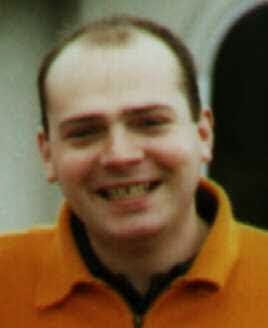
Joachim Løvschall: December 7, 1970 - March 29, 1997
 

Joachim Løvschall was studying Spanish in Havana in the spring of 1997. He was gunned down by a soldier of the Castro regime in Havana, Cuba twenty five years ago today on March 29, 1997. The identity of the soldier was never revealed to Joachim''s family. No one was brought to justice. Joachim's family is not satisfied with the official explanation.

The last time they saw Joachim
On March 28, 1997 Joachim Løvschall ate his last dinner with white wine in a little restaurant called Aladin, located on 21st street in Havana. He went to the Revolutionary Plaza and bought a ticket to the Cuban National Theater. Following the performance he went to the theater's bar, Cafe Cantante, and met up with two Swedish friends. They each drank a couple of beers, but soon left because Joachim did not like the music. At 23:30, they said good bye to each other on the sidewalk in front of Cafe Cantante. 


Joachim was never seen alive again. 

Last seen in the front of Cafe Cantante

The Castro regime's version of what happened
On September 28, 1997 the Danish newspaper Jyllands-Posten published an article by Kim Hundevadt titled "Dangerous Vacation" that outlined what happened to Joachim Løvschall and presented the Castro dictatorship's version of the events leading to this young man's death:

Around 23:30, a person matching Joachim Løvschall's description was in a bar named Segundo Dragon d'Oro. The bar lies in the hopeless part of town, around the Revolutionary Plaza which is dominated by ministry and other official buildings of harsh concrete architecture, and lies empty in at night.
At 2:45am he left the bar, after becoming intoxicated. Around 20 minutes later, he was walking down the Avenue Territorial, behind the Defense Ministry.

Joachim Løvschall walked, according to the Cuban authorities, first on the sidewalk that lies opposite the Ministry. Midway he crossed over to the other sidewalk, considered to be a military area, though it is not blocked off.

The Cubans have explained that Joachim Løvschall was shouted at by two armed guards, who in addition fired warning shots, which he did not react to. Therefore, one guard shot from the hip with an AK-47 rifle. The first shot hit Joachim in the stomach and got him to crumble down. The second shot hit slanting down the left side of the neck.

Joachim Løvschall gunned down in Cuba in 1997

Fifteen years ago

On June 12, 2007 Christian Løvschall, Joachim's father, at a parallel forum at the United Nations Human Rights Council spoke about his son's disappearance and the struggle to find out if Joachim was dead or alive:

"Although the killing took place on the 29th of March, we only came to know about it on the 6th of April - i.e. after 8 days were we had the feeling that the Cuban authorities were unwilling to inform anything about the incident. Only because of good relations with Spanish speaking friends in other Latin American countries did we succeed in getting into contact with the family with whom Joachim stayed and the repeated message from their side was that they could reveal nothing, but that the situation had turned out very bad and that we had to come to Cuba as soon as possible. At the same time all contacts to the responsible authorities turned out negatively... Only after continued pressure from our side on the Cuban embassy in Copenhagen, things suddenly changed and the sad information was given to us by our local police on the evening of the 6th of April. We are, however, 100% convinced that had we not made use of our own contact and had we not continued our pressure on the embassy in Copenhagen, we might have faced a situation where Joachim would have been declared a missing person, a way out the Cuban authorities have been accused of applying in similar cases."
 Ten years later Christian Løvschall outlined what he knew concerning his son's untimely death:
We do feel we were (and still are) left with no answers except to maybe one of the following questions: Where, When, Who, Why Starting out with the where we were told that Joachim was killed by the soldiers outside the Ministry of Interior.
Where
What we do not understand is why no fence or signs did inform that this is a restricted area? I have been on the spot myself, and the place appears exactly like a normal residential area. So you may question whether this in fact was the place of the killing? Contrary to this the authorities keep maintaining that the area was properly sealed off, and the relevant sign posts were in place.
When
As to when Joachim was killed we only have the information received from the police because of the delay informing one might believe that this is another forgery made up to cover the truth.
Who
The who was in our opinion has never been answered by the Cuban authorities. We understand that a private soldier on duty was made responsible for the killing, and also it has been rumored that his officer in charge has been kept responsible. This is of course the easy way out, but why can't we get to know the whole and true story?   
Why 
Why did the soldiers have to fire two shots, one to his body and one to his head, to murder him? Was Joachim violent and did he, an unarmed individual, attack the armed soldiers? Or is it simply that the instruction to Cuban soldiers are: first you shoot and then you ask? But again: Who can explain why two shots were needed?
Despite the claims made by the travel industry there have been other travelers to Cuba who have been killed or gone missing under suspicious circumstances. Others have been falsely imprisoned in legal proceedings that fall far short of international standards. Like North Korea, but with a tropical twist, Cuba suffers a dictatorship where both nationals and foreigners have no legal protections locally if they run into trouble with the regime. The ongoing plight of Benjamin Tomlin, who has spent three years in a Cuban prison, should lead others considering a holiday in Cuba to think twice. So should what happened to Joachim Løvschall on March 29, 1997 when he was gunned down by an AK-47 wielding Cuban soldier for allegedly walking on the wrong sidewalk.

Monday, March 29, 2021

24 years without justice for Danish student gunned down in Havana by a soldier

"There may be times when we are powerless to prevent injustice, but there must never be a time when we fail to protest." - Elie Wiesel, Nobel Lecture 1986


Joachim Løvschall: December 7, 1970 - March 29, 1997
Joachim Løvschall was studying Spanish in Havana in the spring of 1997. He was gunned down by a soldier of the Castro regime in Havana, Cuba twenty four years ago today on March 29, 1997. The identity of the soldier was never revealed to Joachim''s family. No one was brought to justice. Joachim's family is not satisfied with the official explanation.

The last time they saw Joachim
On March 28, 1997 Joachim Løvschall ate his last dinner with white wine in a little restaurant called Aladin, located on 21st street in Havana. He went to the Revolutionary Plaza and bought a ticket to the Cuban National Theater. Following the performance he went to the theater's bar, Cafe Cantate, and met up with two Swedish friends. They each drank a couple of beers, but soon left because Joachim did not like the music. At 23:30, they said good bye to each other on the sidewalk in front of Cafe Cantate. 


Joachim was never seen alive again. 

The Castro regime's version of what happened
On September 28, 1997 the Danish newspaper Jyllands-Posten published an article by Kim Hundevadt titled "Dangerous Vacation" that outlined what happened to Joachim Løvschall and presented the Castro dictatorship's version of the events leading to this young man's death:

Around 23:30, a person matching Joachim Løvschall's description was in a bar named Segundo Dragon d'Oro. The bar lies in the hopeless part of town, around the Revolutionary Plaza which is dominated by ministry and other official buildings of harsh concrete architecture, and lies empty in at night.
At 2:45am he left the bar, after becoming intoxicated. Around 20 minutes later, he was walking down the Avenue Territorial, behind the Defense Ministry.

Joachim Løvschall walked, according to the Cuban authorities, first on the sidewalk that lies opposite the Ministry. Midway he crossed over to the other sidewalk, considered to be a military area, though it is not blocked off.

The Cubans have explained that Joachim Løvschall was shouted at by two armed guards, who in addition fired warning shots, which he did not react to. Therefore, one guard shot from the hip with an AK-47 rifle. The first shot hit Joachim in the stomach and got him to crumble down. The second shot hit slanting down the left side of the neck.
Joachim Løvschall gunned down in Cuba in 1997
Fourteen years ago
On June 12, 2007 Christian Løvschall, Joachim's father, at a parallel forum at the United Nations Human Rights Council spoke about his son's disappearance and the struggle to find out if Joachim was dead or alive:
"Although the killing took place on the 29th of March, we only came to know about it on the 6th of April - i.e. after 8 days were we had the feeling that the Cuban authorities were unwilling to inform anything about the incident. Only because of good relations with Spanish speaking friends in other Latin American countries did we succeed in getting into contact with the family with whom Joachim stayed and the repeated message from their side was that they could reveal nothing, but that the situation had turned out very bad and that we had to come to Cuba as soon as possible. At the same time all contacts to the responsible authorities turned out negatively... Only after continued pressure from our side on the Cuban embassy in Copenhagen, things suddenly changed and the sad information was given to us by our local police on the evening of the 6th of April. We are, however, 100% convinced that had we not made use of our own contact and had we not continued our pressure on the embassy in Copenhagen, we might have faced a situation where Joachim would have been declared a missing person, a way out the Cuban authorities have been accused of applying in similar cases."
 Ten years later Christian Løvschall outlined what he knew concerning his son's untimely death:
We do feel we were (and still are) left with no answers except to maybe one of the following questions: Where, When, Who, Why Starting out with the where we were told that Joachim was killed by the soldiers outside the Ministry of Interior.
Where
What we do not understand is why no fence or signs did inform that this is a restricted area? I have been on the spot myself, and the place appears exactly like a normal residential area. So you may question whether this in fact was the place of the killing? Contrary to this the authorities keep maintaining that the area was properly sealed off, and the relevant sign posts were in place.
When
As to when Joachim was killed we only have the information received from the police because of the delay informing one might believe that this is another forgery made up to cover the truth.
Who
The who was in our opinion has never been answered by the Cuban authorities. We understand that a private soldier on duty was made responsible for the killing, and also it has been rumored that his officer in charge has been kept responsible. This is of course the easy way out, but why can't we get to know the whole and true story?   
Why
Why did the soldiers have to fire two shots, one to his body and one to his head, to murder him? Was Joachim violent and did he, an unarmed individual, attack the armed soldiers? Or is it simply that the instruction to Cuban soldiers are: first you shoot and then you ask? But again: Who can explain why two shots were needed?
Despite the claims made by the travel industry there have been other travelers to Cuba who have been killed or gone missing under suspicious circumstances. Others have been falsely imprisoned in legal proceedings that fall far short of international standards. Like North Korea, but with a tropical twist, Cuba suffers a dictatorship where both nationals and foreigners have no legal protections locally if they run into trouble with the regime. The ongoing plight of Benjamin Tomlin, who has spent three years in a Cuban prison, should lead others considering a holiday in Cuba to think twice. So should what happened to Joachim Løvschall on March 29, 1997 when he was gunned down by an AK-47 wielding Cuban soldier for allegedly walking on the wrong sidewalk.

Sunday, March 7, 2021

Tourism to Cuba is a bad idea: Update on the case of Benjamin Tomlin

Cuba is the North Korea of the Americas, a secretive, totalitarian communist dictatorship with a terrible human rights record. Why would anyone go on vacation in Cuba or North Korea? There are cautionary tales on what happens to tourists traveling to these countries.

Otto Wambier: December 12, 1994 - June 19, 2017

College student Otto Wambier was sentenced to 15 years in prison and hard labor in March 2016 for allegedly trying to steal a political propaganda poster in North Korea. One year and three months later he was released to the United States in a coma acquired in prison allegedly from botulism and died a day after his return. e.

Joachim Løvschall was a Danish youth studying Spanish in Havana. On March 28, 1997 Joachim Løvschall ate his last dinner with white wine in a little restaurant called Aladin, located on 21st street in Havana. He went to the Revolutionary Plaza and bought a ticket to the Cuban National Theater. Following the performance he went to the theater's bar, Cafe Cantate, and met up with two Swedish friends. They each drank a couple of beers, but soon left because Joachim did not like the music. At 23:30, they said good bye to each other on the sidewalk in front of Cafe Cantate. 

Joachim Løvschall: December 7, 1970 - March 29, 1997

Joachim was gunned down by a Castro regime soldier in Havana, Cuba on March 29, 1997. The identity of the soldier has never been revealed to Joachim''s family. No one has been brought to justice. He was killed after leaving friends from a night out, on his walk back home

Despite these cautionary stories, tourists continue to go to North Korea and Cuba on holiday, and tragedies continue to happen. William Southworth, a recent university graduate, has written the following  report on the plight of Canadian national, Benjamin Tomlin and conditions in Cuba's prisons. This blog first reported on his plight on September 18, 2020. Below is an update.

Injustice and Inhumane Conditions in a Cuban Prison

Something is rotten in the state of Cuba.

Benjamin Tomlin: falsely imprisoned

By William Southworth

There are 300 prisoners at La Condesa, most of them foreigners. Nearly all have been sentenced on blatantly false charges if the men we interviewed are any good indication. Many have been detained chiefly for their value as political prisoners and not for their roles in any potential crimes. They were arrested abruptly and without explanation. Not understanding their predicament, these unfortunate persons were left to rot under terrible conditions without a sentence for months or years. One French prisoner had to wait 3 years and 5 months before he had his prison sentence explained to him.

If the incarcerated are lucky, they may eventually get the formality of a trial. The charges are normally exaggerated and oftentimes pure fiction. The witnesses are being led and if representation is provided, it is normally provided in bad faith by the Cuban state. While it may seem strange for a country whose economy depends on tourism to arbitrarily imprison visiting foreigners, the Cuban regime has a habit of taking political prisoners in order to seize their assets or use them as bargaining chips in foreign negotiations [1]. Regrettably, Cuba has gotten away with these practices by keeping its human rights abuses well out of the international spotlight.

If the Cuban regime does one thing very well, it is to control the flow of information [2]. The regime keeps a tight grasp on its hyperactive mass media to effectively project an image of power and purity both to its citizens and the outside world. Cuban independent journalists are a critically endangered species and are frequently , so an honest headline out of Cuba is a rarity [3]. Surely, Cuba has earned its lowest rank for journalistic freedom in Latin America [4]. As impressive as Cuba’s ability to control the spread of information in Cuba within their borders is, this achievement pales in comparison to their ability to control the spread of information outside its borders.

Consider the example of Benjamin Tomlin. 

Benjamin Tomlin is a well-respected Canadian businessman and a former employee of the Canada Development Investment Corporation (CDEV), he was arrested in 2018 during a visit to Cuba. He was charged with allegedly having sex with a 15-year-old girl during a previous visit, but the exact nature of his charges was kept from him for a very long time. Tomlin was arrested without proper explanation and held for months before a trial. While it is impossible to know the real motives behind his arrest, it stands to reason from previous cases that Cuba may have seized Benjamin over his potential value as a well-connected prisoner. The Cuban state has arrested several other prominent Canadian nationals in order to secure their large on-island assets, namely the wealthy Sarkis Yacoubin and the well-connected Cy Tokmakijan, [5]. When he was being arrested, Tomlin asked the attending officers a poignant question:

“I am a criminal?”

The answer was equally pointed.

“No, you’re just unlucky.”

When he did finally get his trial, it was marred by irregularities and gaps in evidence. Luckier than most, Tomlin was represented in good faith by a Cuban Canadian lawyer, Ricardo Alcolado Perez[6]. Even so, none of the witnesses were able to identify Tomlin before the court, not even the girl whom Tomlin had allegedly had intercourse with. According to Tomlin’s later testimony, he had never seen the girl that was brought before the court. Tomlin was also made to sign various agreements in a Spanish without proper translation. Despite the clear lack of evidence, Tomlin was sentenced to ten years at La Condesa.

The conditions there are terrible. The prison is overcrowded, the beds tightly packed. Tomlin estimates the prison is built for 150 but houses at least twice that number. Disease runs rampant, electricity is intermittent, toilets are hard to access and supplies are scarce. Seriously sick prisoners must wait months for treatment. Mr. Tomlin said he had to wait a month before he received treatment for an excruciatingly painful kidney infection. He has also never received medication for chronic pain owning to a spinal injury. His time at La Condesa has debilitated Benjamin. If this is not proof enough of bad conditions, surely the recent death of one Venezuelan prisoner there, a man named Oscar Nuñez, puts it beyond all doubt. According to Tomlin, Nuñez had been asking to see a doctor for some time before he died without treatment. The prison authorities were allegedly aware of Nuñez’s critical condition before his death.

Tomlin supported his horror story of neglect and inhumane conditions with the testimonies of three other prisoners. These prisoners, one Canadian, one Frenchman and one Venezuelan, echoed Benjamin’s account with their own stories of arbitrary arrests and months spent waiting for an explanation and then, at last, sham trials. They were all in prison for long sentences ranging from 8-10 years and were ready to tell their stories despite the potential consequences. Although they had all once been wary of running their mouths about prison conditions, they had lost all hope of a sudden release and all fear of the extended sentences the guards still threaten them with.

The other Canadian prisoner spoke about the crumbling infrastructure with as much detail as the short interview allowed. The Frenchman, Jacques, alleged the prisoners suffered psychological abuse at the hands of the guardsmen. The Venezuelan, Fabio, talked about moldy food and speculated about the nature of the Cuban police state.

Talking about the muddy circumstances surrounding his sudden detention, he hazarded a few words.

“Esto es Cuba.” (This is Cuba.)

Who knows what other injustices these prisoners might have revealed if they only had a few more minutes to speak? When we interviewed the prisoners, the lines were on a 5-minute time limit and always monitored. The prisoners spoke rapidly in quiet, urgent tones to keep a modicum of confidentiality. Our conversations would often be cut out off at random intervals, or when sensitive topics came up. I received calls from restricted numbers soon after these conversations, although I declined to answer them.

But according to Caroline Simpson, Tomlin’s sister, the true state of these Cuban prisons is a secret. Her inquiries about the prison never got straight answers from Cuban officials, who painted a rosy picture of La Condesa. In this fantasy, all the prisoners were well-cared for and had easy access to the supplies in the prison store. If they had any issues, they could easily contact their native embassies for governmental assistance. But as the testimony of the prisoners reveals, the reality at La Condesa and other Cuban prisons is far worse than the official picture [7].

That these prisoners should be willing to testify at all is an act of bravery. The guards had promised punishment should they speak about the poor conditions at La Condesa, threatening the prisoners with extended sentences. But Tomlin said that he and his fellow prisoners had grown tired of keeping their silence and living in fear.

Now that a new president has assumed office, the Cuban question is all the more pressing. Will the United States pursue a policy of détente or renew a blockade with the island? Is a middle course possible and if so, what will it mean for the prisoners in La Condesa? 

As the case of Benjamin Tomlin demonstrates, the United States and Canada must remember that they are dealing with a dishonest, totalitarian state. If other nations continue to tolerate boldfaced human rights abuses in Cuba, Tomlin will certainly not be the last foreigner to fall victim to a predatory Cuban police state.

Cited Sources

[1] Whitefield, Mimi. “53 Cuban Political Prisoners Are Free, but Controversy Remains.” Miami Herald, Miami Herald, 14 Jan. 2015, www.miamiherald.com/news/nation-world/world/americas/cuba/article6544485.html.

[2] MacDuff, Carlyle. “Cuba's Official Media and Its Informative Omissions.” Havana Times, 18 July 2020, havanatimes.org/opinion/cubas-official-media-and-its-informative-omissions/.

[3] Oppenheimer, Andres. “A Horrible Time for Journalists - and Not Just in Cuba and Venezuela.” Miami Herald, 27 Oct. 2018, www.miamiherald.com/news/local/news-columns-blogs/andres-oppenheimer/article220668215.html.

[4] N.A. “Cuba : Constant Ordeal for Independent Media: Reporters without Borders.” RSF, Reporters Without Borders, 2020, rsf.org/en/cuba.

[5] Quinn, Jennifer. “Canadian Businessman Expelled from Cuban Jail.” Thestar.com, 7 Feb. 2014, www.thestar.com/news/world/2014/02/06/canadian_businessman_expelled_from_cuban_jail.html.

[6]The Canadian Press | News. “Freeland Says She Brought up Case of Imprisoned Canadian with Cuban Foreign Minister.” National Observer, 2 Sept. 2019, www.nationalobserver.com/2019/09/02/news/freeland-says-she-brought-case-imprisoned-canadian-cuban-foreign-minister.

[7] Associated Latin Press. “Prensa Latina - Latin American News Agency.” Www.plenglish.com/, 25 June 2020, www.plenglish.com/index.php?o=rn.