Showing posts with label Maykel Castillo Pérez Osorbo. Show all posts

Monday, May 19, 2025

On this day in 1895 José Martí was killed by Spanish troops in Cuba. The struggle for Cuban freedom continues. #JoséMartí130

"There is no forgiveness for acts of hatred. Daggers thrust in the name of liberty are thrust into liberty's heart." - José Martí


 #JoséMartí130

José Julián Martí Pérez: 28 January 1853 – 19 May 1895

 José Julián Martí Pérez was killed 130 years ago today in battle against Spanish troops at the Battle of Dos Ríos, near the confluence of the rivers Contramaestre and Cauto, on May 19, 1895. He is buried in the Santa Efigenia Cemetery in Santiago de Cuba. Cubans the world over honor his memory and Cuban independence follows a day later. Seven years and one day after Martí's death Cuba formally obtained its independence on May 20, 1902. Cuban historian Dr. Jaime Suchlicki in his essay "The Death of a Hero" describes him as Cuba’s greatest hero and most influential writer.

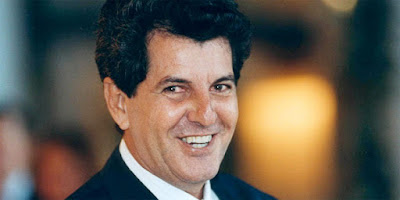
Yesterday, a modern José Martí, marked four years in prison. Maykel Castillo Pérez "Osorbo" is an artist, husband, father, and an Amnesty International prisoner of conscience who has spent 48 months separated from his family for "the crime" of exercising his fundamental rights. He is a rap artist,  like Martí a poet, a defender of human rights, and imprisoned for his defense of Cuban sovereignty residing among the Cuban people.  

Cuban prisoner of conscience: Maykel Castillo Pérez "Osorbo"

The Cuban dictatorship jails minors for expressing themselves, in an action reminiscent of the Spanish colonial government's targeting of the future Cuban independence leader when he was a child. On October 21, 1869, José Martí, then 16, was jailed and accused of sedition for a letter he wrote to a friend criticizing his decision to join the Spanish colonial army.

Cubans across the ideological divide claim José Martí as their own. The claims of the dictatorship, led by the Castro family, that Martí is the intellectual author of their political project is ironic considering that the life and writings of this Cuban journalist, poet, and independence leader are the antithesis of the Castro dictatorship. The late Cuban scholar Carlos Ripoll is required reading to understand the thought of José Martí.

The Institutional Repository of Florida International University’s Digital commons offered the following description of two videos examining the work of Carlos Ripoll on May 10, 2017.

Carlos Ripoll (1922-2011) was a Cuban scholar who lived in the U.S. for close to half a century, during which he carried out outstanding research on several Cuban historical, literary, and political topics. Chief among them was Ripoll’s life-long interest in the life and work of Jose Marti. Based on personal acquaintance with Ripoll, reading of his works, and a survey of Martiana donated by Ripoll himself to the FIU library upon his death, Dr. Santi will explore Ripoll’s reading of Marti, is legacy and, in particular, what Ripoll called repeatedly “the falsification of Jose Marti in present-day Cuba.”

 Dr. Enrico Mario Santí in this 2017 presentation hosted by the Cuban Research Institute at Florida International University discussed his relationship with Carlos Ripoll’s and his view of Martí, describing a Martí who “was not a Marxist, but he was a radical revolutionary. On the one hand Martí was not a socialist, but Martí was very interested in pursuing a revolution after the War of Independence. In other words there were no easy political solutions that Ripoll was advocating, but on the contrary was asking us to think through these issues and to be very careful about the facts of Cuban history, and the way Cuban history was being manipulated.”

For Spanish language readers, Professor Santí recommends reading Ripoll’s essay “La noble intransigencia de José Martí” which is available online, among other works.

Both José Martí’s writings and actions taken by him in life point to a man who prized liberty, independence based in popular sovereignty, and freedom of speech, thought and association as fundamental to his sense of being. He was a prisoner of conscience, before Amnesty International coined the term, jailed for writing a disapproving letter to a classmate for joining the Spanish colonial army.


Under the Castro regime freedom of expression can end in prison for engaging in “enemy propaganda,” and freedom of thought can also lead you to prison for the crime of “dangerousness.” This is an affront to José Marti’s belief that “liberty is the right of every man to be honest, to think and to speak without hypocrisy.” Hypocrisy, under the Castro regime, is a currency for survival.

The Castro regime's celebration of José Martí is doubly ironic because both Francisco Franco's father and Fidel and Raul Castro's father had been soldiers who fought in Cuba to preserve its colonial status within the Spanish empire. Castro's father, Angel, according to the 2016 documentary, "Franco and Fidel: A Strange Friendship", had a photo of Franco on his nightstand. This historical link translated into a "special relationship" between the two dictators and is available online.

Cuba under the Castros is not the vision advanced by Cuba’s greatest hero. This tradition of freedom and respect for freedom of thought and speech exists among Cuban dissidents, and on more than one occasion cost the lives of other heroes to defend. One of Martí's modern day counterparts is Oswaldo Payá Sardiñas, who addressed the European Parliament on December 17, 2002:

“The first victory we can claim is that our hearts are free of hatred. Hence we say to those who persecute us and who try to dominate us: ‘You are my brother. I do not hate you, but you are not going to dominate me by fear. I do not wish to impose my truth, nor do I wish you to impose yours on me. We are going to seek the truth together.’”

Oswaldo was extra-judicially executed by the secret police on July 22, 2012.  International human rights body's have recognized that this murder was a political assassination.

Other counterparts of Martí are found among the Cuban artists, journalists and intellectuals that nonviolently gathered in front of the Ministry of Culture to read his works on January 27, 2021, and were beaten up by the Castro dictatorship’s Minister of Culture, and arrested by the regime’s political police.

José Martí with shirt of stars by Camila Ramírez Lobón

 Today we remember and honor José Martí and his modern day counterparts risking all for Cuba to be free, and hope that their authentic history will reach a wider audience to counter the disinformation spread by the Cuban dictatorship, and others.

"I think they kill my child every time they deprive a person of their right to think." - José Martí 

Friday, May 19, 2023

On this day in 1895 José Martí was killed by Spanish troops in Cuba. The struggle for Cuban freedom continues.


"There is no forgiveness for acts of hatred. Daggers thrust in the name of liberty are thrust into liberty's heart." - José Martí

José Julián Martí Pérez: January 28, 1853 - May 19, 1895

José Julián Martí Pérez was killed 128 years ago today in battle against Spanish troops at the Battle of Dos Ríos, near the confluence of the rivers Contramaestre and Cauto, on May 19, 1895. He is buried in the Santa Efigenia Cemetery in Santiago de Cuba. Cubans the world over honor his memory and Cuban independence follows a day later. Seven years and one day after Martí's death Cuba formally obtained its independence on May 20, 1902. Cuban historian Dr. Jaime Suchlicki in his essay "The Death of a Hero" describes him as Cuba’s greatest hero and most influential writer.


Maykel Castillo Pérez "Osorbo"

Yesterday, a modern José Martí, marked two years in prison. Maykel Castillo Pérez "Osorbo" is an artist, husband, father, and an Amnesty International prisoner of conscience who has spent 48 months separated from his family for "the crime" of exercising his fundamental rights. He is a rap artist,  like Martí a poet, a defender of human rights, and imprisoned for his defense of Cuban sovereignty residing among the Cuban people.  

The Castro regime jails minors for expressing themselves, in an action reminiscent of the Spanish colonial government's targeting of the future Cuban independence leader when he was a child. On October 21, 1869, when he was just 16 years old, José Martí was jailed,and accused of sedition for a letter he wrote criticizing a friend for joining the Spanish army.

Cubans across the ideological divide claim José Martí as their own. The claims of the dictatorship, led by the Castro family, that Martí is the intellectual author of their political project is ironic considering that the life and writings of this Cuban journalist, poet, and independence leader are the antithesis of the Castro regime.

Killed 128 years ago today riding into battle on horseback.
 

It is doubly ironic because both Francisco Franco's father and Fidel and Raul Castro's father had been soldiers who fought in Cuba to preserve its colonial status within the Spanish empire. Castro's father, Angel, according to the 2016 documentary, "Franco and Fidel: A Strange Friendship", had a photo of Franco on his nightstand. This historical link translated into a "special relationship" between the two dictators and is available online.

Both José Julián Martí Pérez's writings and actions taken by him in life point to a man who prized liberty, independence based in popular sovereignty, and freedom of speech, thought and association as fundamental to his sense of being. He was a prisoner of conscience, before Amnesty International coined the term, jailed for writing a disapproving letter to a classmate who joined the Spanish army.

Under the Castro regime freedom of expression can end in prison for engaging in "enemy propaganda," and freedom of thought can also lead you to prison for the crime of "dangerousness." This is an affront to José Marti's belief that "liberty is the right of every man to be honest, to think and to speak without hypocrisy." Hypocrisy, under the Castro regime, is a currency for survival.

Oswaldo Payá Sardiñas

Cuba under the Castros is not the vision advanced by Cuba's greatest hero. This tradition of freedom and respect for freedom of thought and speech existed during the Republic (1902 - 1952) and still exists today, underground, among dissidents in the island, and on more than one occasion cost the lives of other heroes to defend. One of Marti's modern day counterparts is Oswaldo Payá Sardiñas, who addressed the European Parliament on December 17, 2002:

"The first victory we can claim is that our hearts are free of hatred. Hence we say to those who persecute us and who try to dominate us: ‘You are my brother. I do not hate you, but you are not going to dominate me by fear. I do not wish to impose my truth, nor do I wish you to impose yours on me. We are going to seek the truth together.’"

Oswaldo was extra-judicially executed by the secret police on July 22, 2012. Other modern counterparts can also be found in the 27N and San Isidro movements, and the artists, journalists and intellectuals that nonviolently gathered in front of the Ministry of Culture to read the works of José Martí on January 27, 2021, and were beaten up by the Castro dictatorship's Minister of Culture, and arrested by the regime's political police.

The Cuban dictatorship has managed to exceed the Spanish colonial authority by jailing a parent for speaking up for their imprisoned child. Rowland Jesús Castillo Castro, jailed at age 17 for nonviolently protesting during the 11J protests, is serving an unjust five year prison sentence with forced labor. His father, Rolando Castillo, was subjected on May 18, 2022 to an "express trial" without an attorney and sentenced to two years in prison, with less than two hours notice is also serving out his prison sentence today.

Father and Son: Rowland Jesús Castillo Castro and his dad Rolando Castillo
 

The legacy of José Martí in Cuba today is found among the persecuted dissidents defending free speech, freedom of association and demanding a free and independent Cuba. Although the Castro regime uses the name and image of the Cuban journalist and poet they have done everything to pervert and destroy his true message of liberation.

"I think they kill my child every time they deprive a person of their right to think." - José Martí 


Burial site of José Martí


Thursday, May 19, 2022

On this day in 1895 José Martí was killed by Spanish troops in Cuba. The struggle for Cuban freedom continues.

"There is no forgiveness for acts of hatred. Daggers thrust in the name of liberty are thrust into liberty's heart." - José Martí

José Julián Martí Pérez: January 28, 1853 - May 19, 1895
 

José Julián Martí Pérez was killed 127 years ago today in battle against Spanish troops at the Battle of Dos Ríos, near the confluence of the rivers Contramaestre and Cauto, on May 19, 1895. He is buried in the Santa Efigenia Cemetery in Santiago de Cuba. Cubans the world over honor his memory and Cuban independence follows a day later. Seven years and one day after Martí's death Cuba formally obtained its independence on May 20, 1902. Dr. Suchlicki in his essay "THE DEATH OF A HERO" describes him as Cuba’s greatest hero and most influential writer.

Maykel Castillo Pérez Osorbo

Yesterday, a modern José Martí, marked one year in prison. Maykel Castillo Pérez Osorbo is an artist, husband, father, and an Amnesty International prisoner of conscience who has spent one year in prison for exercising his fundamental rights. He is a rap artist,  like Martí a poet, a defender of human rights, and imprisoned for his defense of Cuban sovereignty residing among the Cuban people.  

The Castro regime jails minors for expressing themselves, in an action reminiscent of the Spanish colonial government's targeting of the future Cuban independence leader when he was a child. On October 21, 1869, when he was just 16 years old, José Martí was jailed,and accused of sedition for a letter he wrote criticizing a friend for joining the Spanish army.

Cubans across the ideological divide claim José Martí as their own. The claims of the dictatorship, led by the Castro family, that Martí is the intellectual author of their political project is ironic considering that the life and writings of this Cuban journalist, poet, and independence leader are the antithesis of the Castro regime.

Killed 127 years ago today riding into battle on horseback.

It is doubly ironic because both Francisco Franco's father and Fidel and Raul Castro's father had been soldiers who fought in Cuba to preserve its colonial status within the Spanish empire. Castro's father, Angel, according to the 2016 documentary, "Franco and Fidel: A Strange Friendship", had a photo of Franco on his nightstand. This historical link translated into a "special relationship" between the two dictators and is available online.

Both José Julián Martí Pérez's writings and actions taken by him in life point to a man who prized liberty, independence based in popular sovereignty, and freedom of speech, thought and association as fundamental to his sense of being. He was a prisoner of conscience, before Amnesty International coined the term, jailed for writing a disapproving letter to a classmate who joined the Spanish army.

Under the Castro regime freedom of expression can end in prison for engaging in "enemy propaganda," and freedom of thought can also lead you to prison for the crime of "dangerousness." This is an affront to José Marti's belief that "liberty is the right of every man to be honest, to think and to speak without hypocrisy." Hypocrisy, under the Castro regime, is a currency for survival.

Oswaldo Payá Sardiñas

Cuba under the Castros is not the vision advanced by Cuba's greatest hero. This tradition of freedom and respect for freedom of thought and speech existed during the Republic (1902 - 1952) and still exists today, underground, among dissidents in the island, and on more than one occasion cost the lives of other heroes to defend. One of Marti's modern day counterparts is Oswaldo Payá Sardiñas, who addressed the European Parliament on December 17, 2002:

"The first victory we can claim is that our hearts are free of hatred. Hence we say to those who persecute us and who try to dominate us: ‘You are my brother. I do not hate you, but you are not going to dominate me by fear. I do not wish to impose my truth, nor do I wish you to impose yours on me. We are going to seek the truth together.’"

Oswaldo was extra-judicially executed by the secret police on July 22, 2012. Other modern counterparts can also be found in the 27N and San Isidro movements, and the artists, journalists and intellectuals that nonviolently gathered in front of the Ministry of Culture to read the works of José Martí on January 27, 2021, and were beaten up by the Castro dictatorship's Minister of Culture, and arrested by the regime's political police.

The Cuban dictatorship has managed to exceed the Spanish colonial authority by jailing a parent for speaking up for their imprisoned child. Rowland Jesús Castillo Castro, jailed at age 17 for nonviolently protesting during the 11J protests, is serving an unjust 18 year prison sentence. His father, Rolando Castillo, was subjected on May 18, 2022 to an "express trial" without an attorney and sentenced to two years in prison, with less than two hours notice.

Father and Son: Rowland Jesús Castillo Castro and his father Rolando Castillo

The legacy of José Martí in Cuba today is found among the persecuted dissidents defending free speech, freedom of association and demanding a free and independent Cuba. Although the Castro regime uses the name and image of the Cuban journalist and poet they have done everything to pervert and destroy his true message of liberation.

"I think they kill my child every time they deprive a person of their right to think." - José Martí 


Burial site of José Martí