Showing posts with label shot. Show all posts

Sunday, March 29, 2026

29 years without justice for Danish student gunned down in Havana by a soldier

"There may be times when we are powerless to prevent injustice, but there must never be a time when we fail to protest." - Elie Wiesel, Nobel Lecture 1986


Joachim Løvschall was studying Spanish in Havana in the spring of 1997. He was gunned down by a soldier of the Castro regime in Havana, Cuba twenty nine years ago on March 29, 1997. 

The soldier's identity was never revealed to Joachim''s family. 

No one was brought to justice. 

Joachim's family is not satisfied with the official story.

The last time they saw Joachim
On March 28, 1997 Joachim Løvschall ate his last meal with white wine in a little restaurant called Aladin, located on 21st street in Havana. 

He went to the Revolutionary Plaza and bought a ticket to the Cuban National Theater. 

Following the performance he went to the theater's bar, Cafe Cantante, and met up with two Swedish friends. They each drank a couple of beers, but soon left because Joachim did not like the music. 

At 23:30, they said good bye to each other on the sidewalk in front of Cafe Cantante. 

Joachim was never seen alive again. 

Last seen in the front of Cafe Cantante


The Castro regime's version of what happened
On September 28, 1997 the Danish newspaper Jyllands-Posten published an article by Kim Hundevadt titled "Dangerous Vacation" that outlined what happened to Joachim Løvschall and presented the Cuban dictatorship's version of the events leading to this young man's death.

Around 23:30, a person matching Joachim Løvschall's description was in a bar named Segundo Dragon d'Oro. The bar lies in the hopeless part of town, around the Revolutionary Plaza which is dominated by ministry and other official buildings of harsh concrete architecture, and lies empty in at night.
At 2:45am he left the bar, after becoming intoxicated. Around 20 minutes later, he was walking down the Avenue Territorial, behind the Defense Ministry.
Joachim Løvschall walked, according to the Cuban authorities, first on the sidewalk that lies opposite the Ministry. Midway he crossed over to the other sidewalk, considered to be a military area, though it is not blocked off.
The Cubans have explained that Joachim Løvschall was shouted at by two armed guards, who in addition fired warning shots, which he did not react to. Therefore, one guard shot from the hip with an AK-47 rifle. The first shot hit Joachim in the stomach and got him to crumble down. The second shot hit slanting down the left side of the neck.

Joachim Løvschall: December 7, 1970 - March 29, 1997
 

Nineteen years ago
On June 12, 2007 Christian Løvschall, Joachim's father, at a parallel forum at the United Nations Human Rights Council spoke about his son's disappearance and the struggle to find out if Joachim was dead or alive:

"Although the killing took place on the 29th of March, we only came to know about it on the 6th of April - i.e. after 8 days were we had the feeling that the Cuban authorities were unwilling to inform anything about the incident. Only because of good relations with Spanish speaking friends in other Latin American countries did we succeed in getting into contact with the family with whom Joachim stayed and the repeated message from their side was that they could reveal nothing, but that the situation had turned out very bad and that we had to come to Cuba as soon as possible. At the same time all contacts to the responsible authorities turned out negatively... Only after continued pressure from our side on the Cuban embassy in Copenhagen, things suddenly changed and the sad information was given to us by our local police on the evening of the 6th of April. We are, however, 100% convinced that had we not made use of our own contact and had we not continued our pressure on the embassy in Copenhagen, we might have faced a situation where Joachim would have been declared a missing person, a way out the Cuban authorities have been accused of applying in similar cases."
 Ten years later Christian Løvschall outlined what he knew concerning his son's untimely death:
We do feel we were (and still are) left with no answers except to maybe one of the following questions: Where, When, Who, Why Starting out with the where we were told that Joachim was killed by the soldiers outside the Ministry of Interior.
Where
What we do not understand is why no fence or signs did inform that this is a restricted area? I have been on the spot myself, and the place appears exactly like a normal residential area. So you may question whether this in fact was the place of the killing? Contrary to this the authorities keep maintaining that the area was properly sealed off, and the relevant sign posts were in place.
When
As to when Joachim was killed we only have the information received from the police because of the delay informing one might believe that this is another forgery made up to cover the truth.
Who
The who was in our opinion has never been answered by the Cuban authorities. We understand that a private soldier on duty was made responsible for the killing, and also it has been rumored that his officer in charge has been kept responsible. This is of course the easy way out, but why can't we get to know the whole and true story?   
Why 
Why did the soldiers have to fire two shots, one to his body and one to his head, to murder him? Was Joachim violent and did he, an unarmed individual, attack the armed soldiers? Or is it simply that the instruction to Cuban soldiers are: first you shoot and then you ask? But again: Who can explain why two shots were needed?

Despite the claims made by the travel industry there have been other travelers to Cuba who have been killed or gone missing under suspicious circumstances. 

Others have been falsely imprisoned in legal proceedings that fall far short of international standards. 

Like North Korea, but with a tropical twist, Cuba suffers a dictatorship where both nationals and foreigners have no legal protections locally if they run into trouble with the regime. 

The ongoing plight of Benjamin Tomlin, who has spent seven years and eight months in a Cuban prison, should lead others considering a holiday in Cuba to think twice. 

So should what happened to Joachim Løvschall on March 29, 1997 when he was gunned down by an AK-47wielding Cuban soldier for allegedly walking on the wrong sidewalk.


Saturday, March 29, 2025

28 years without justice for Danish student gunned down in Havana by a soldier

"There may be times when we are powerless to prevent injustice, but there must never be a time when we fail to protest." - Elie Wiesel, Nobel Lecture 1986


Joachim Løvschall was studying Spanish in Havana in the spring of 1997. He was gunned down by a soldier of the Castro regime in Havana, Cuba twenty eight years ago on March 29, 1997. The soldier's identity was never revealed to Joachim''s family. No one was brought to justice. Joachim's family is not satisfied with the official story.

The last time they saw Joachim
On March 28, 1997 Joachim Løvschall ate his last meal with white wine in a little restaurant called Aladin, located on 21st street in Havana. He went to the Revolutionary Plaza and bought a ticket to the Cuban National Theater. 

Following the performance he went to the theater's bar, Cafe Cantante, and met up with two Swedish friends. They each drank a couple of beers, but soon left because Joachim did not like the music. At 23:30, they said good bye to each other on the sidewalk in front of Cafe Cantante. 

Joachim was never seen alive again. 

Last seen in the front of Cafe Cantante


The Castro regime's version of what happened
On September 28, 1997 the Danish newspaper Jyllands-Posten published an article by Kim Hundevadt titled "Dangerous Vacation" that outlined what happened to Joachim Løvschall and presented the Cuban dictatorship's version of the events leading to this young man's death.

Around 23:30, a person matching Joachim Løvschall's description was in a bar named Segundo Dragon d'Oro. The bar lies in the hopeless part of town, around the Revolutionary Plaza which is dominated by ministry and other official buildings of harsh concrete architecture, and lies empty in at night.
At 2:45am he left the bar, after becoming intoxicated. Around 20 minutes later, he was walking down the Avenue Territorial, behind the Defense Ministry.
Joachim Løvschall walked, according to the Cuban authorities, first on the sidewalk that lies opposite the Ministry. Midway he crossed over to the other sidewalk, considered to be a military area, though it is not blocked off.
The Cubans have explained that Joachim Løvschall was shouted at by two armed guards, who in addition fired warning shots, which he did not react to. Therefore, one guard shot from the hip with an AK-47 rifle. The first shot hit Joachim in the stomach and got him to crumble down. The second shot hit slanting down the left side of the neck.

Joachim Løvschall: December 7, 1970 - March 29, 1997
 

Eighteen years ago
On June 12, 2007 Christian Løvschall, Joachim's father, at a parallel forum at the United Nations Human Rights Council spoke about his son's disappearance and the struggle to find out if Joachim was dead or alive:

"Although the killing took place on the 29th of March, we only came to know about it on the 6th of April - i.e. after 8 days were we had the feeling that the Cuban authorities were unwilling to inform anything about the incident. Only because of good relations with Spanish speaking friends in other Latin American countries did we succeed in getting into contact with the family with whom Joachim stayed and the repeated message from their side was that they could reveal nothing, but that the situation had turned out very bad and that we had to come to Cuba as soon as possible. At the same time all contacts to the responsible authorities turned out negatively... Only after continued pressure from our side on the Cuban embassy in Copenhagen, things suddenly changed and the sad information was given to us by our local police on the evening of the 6th of April. We are, however, 100% convinced that had we not made use of our own contact and had we not continued our pressure on the embassy in Copenhagen, we might have faced a situation where Joachim would have been declared a missing person, a way out the Cuban authorities have been accused of applying in similar cases."
 Ten years later Christian Løvschall outlined what he knew concerning his son's untimely death:
We do feel we were (and still are) left with no answers except to maybe one of the following questions: Where, When, Who, Why Starting out with the where we were told that Joachim was killed by the soldiers outside the Ministry of Interior.
Where
What we do not understand is why no fence or signs did inform that this is a restricted area? I have been on the spot myself, and the place appears exactly like a normal residential area. So you may question whether this in fact was the place of the killing? Contrary to this the authorities keep maintaining that the area was properly sealed off, and the relevant sign posts were in place.
When
As to when Joachim was killed we only have the information received from the police because of the delay informing one might believe that this is another forgery made up to cover the truth.
Who
The who was in our opinion has never been answered by the Cuban authorities. We understand that a private soldier on duty was made responsible for the killing, and also it has been rumored that his officer in charge has been kept responsible. This is of course the easy way out, but why can't we get to know the whole and true story?   
Why 
Why did the soldiers have to fire two shots, one to his body and one to his head, to murder him? Was Joachim violent and did he, an unarmed individual, attack the armed soldiers? Or is it simply that the instruction to Cuban soldiers are: first you shoot and then you ask? But again: Who can explain why two shots were needed?

Despite the claims made by the travel industry there have been other travelers to Cuba who have been killed or gone missing under suspicious circumstances. 

Others have been falsely imprisoned in legal proceedings that fall far short of international standards. Like North Korea, but with a tropical twist, Cuba suffers a dictatorship where both nationals and foreigners have no legal protections locally if they run into trouble with the regime. 

The ongoing plight of Benjamin Tomlin, who has spent seven years in a Cuban prison, should lead others considering a holiday in Cuba to think twice. 

So should what happened to Joachim Løvschall on March 29, 1997 when he was gunned down by an AK-47 wielding Cuban soldier for allegedly walking on the wrong sidewalk.


Wednesday, March 29, 2023

26 years without justice for Danish student gunned down in Havana by a soldier

  "There may be times when we are powerless to prevent injustice, but there must never be a time when we fail to protest." - Elie Wiesel, Nobel Lecture 1986

Joachim Løvschall was studying Spanish in Havana in the spring of 1997. He was gunned down by a soldier of the Castro regime in Havana, Cuba twenty six years ago today on March 29, 1997. The identity of the soldier was never revealed to Joachim''s family. No one was brought to justice. Joachim's family is not satisfied with the official explanation.

The last time they saw Joachim
On March 28, 1997 Joachim Løvschall ate his last dinner with white wine in a little restaurant called Aladin, located on 21st street in Havana. He went to the Revolutionary Plaza and bought a ticket to the Cuban National Theater. Following the performance he went to the theater's bar, Cafe Cantante, and met up with two Swedish friends. They each drank a couple of beers, but soon left because Joachim did not like the music. At 23:30, they said good bye to each other on the sidewalk in front of Cafe Cantante. 


Joachim was never seen alive again. 

Last seen in the front of Cafe Cantante

The Castro regime's version of what happened
On September 28, 1997 the Danish newspaper Jyllands-Posten published an article by Kim Hundevadt titled "Dangerous Vacation" that outlined what happened to Joachim Løvschall and presented the Castro dictatorship's version of the events leading to this young man's death:

Around 23:30, a person matching Joachim Løvschall's description was in a bar named Segundo Dragon d'Oro. The bar lies in the hopeless part of town, around the Revolutionary Plaza which is dominated by ministry and other official buildings of harsh concrete architecture, and lies empty in at night.
At 2:45am he left the bar, after becoming intoxicated. Around 20 minutes later, he was walking down the Avenue Territorial, behind the Defense Ministry.
Joachim Løvschall walked, according to the Cuban authorities, first on the sidewalk that lies opposite the Ministry. Midway he crossed over to the other sidewalk, considered to be a military area, though it is not blocked off.
The Cubans have explained that Joachim Løvschall was shouted at by two armed guards, who in addition fired warning shots, which he did not react to. Therefore, one guard shot from the hip with an AK-47 rifle. The first shot hit Joachim in the stomach and got him to crumble down. The second shot hit slanting down the left side of the neck.

Joachim Løvschall: December 7, 1970 - March 29, 1997

Sixteen years ago
On June 12, 2007 Christian Løvschall, Joachim's father, at a parallel forum at the United Nations Human Rights Council spoke about his son's disappearance and the struggle to find out if Joachim was dead or alive:

"Although the killing took place on the 29th of March, we only came to know about it on the 6th of April - i.e. after 8 days were we had the feeling that the Cuban authorities were unwilling to inform anything about the incident. Only because of good relations with Spanish speaking friends in other Latin American countries did we succeed in getting into contact with the family with whom Joachim stayed and the repeated message from their side was that they could reveal nothing, but that the situation had turned out very bad and that we had to come to Cuba as soon as possible. At the same time all contacts to the responsible authorities turned out negatively... Only after continued pressure from our side on the Cuban embassy in Copenhagen, things suddenly changed and the sad information was given to us by our local police on the evening of the 6th of April. We are, however, 100% convinced that had we not made use of our own contact and had we not continued our pressure on the embassy in Copenhagen, we might have faced a situation where Joachim would have been declared a missing person, a way out the Cuban authorities have been accused of applying in similar cases."
 Ten years later Christian Løvschall outlined what he knew concerning his son's untimely death:
We do feel we were (and still are) left with no answers except to maybe one of the following questions: Where, When, Who, Why Starting out with the where we were told that Joachim was killed by the soldiers outside the Ministry of Interior.
Where
What we do not understand is why no fence or signs did inform that this is a restricted area? I have been on the spot myself, and the place appears exactly like a normal residential area. So you may question whether this in fact was the place of the killing? Contrary to this the authorities keep maintaining that the area was properly sealed off, and the relevant sign posts were in place.
When
As to when Joachim was killed we only have the information received from the police because of the delay informing one might believe that this is another forgery made up to cover the truth.
Who
The who was in our opinion has never been answered by the Cuban authorities. We understand that a private soldier on duty was made responsible for the killing, and also it has been rumored that his officer in charge has been kept responsible. This is of course the easy way out, but why can't we get to know the whole and true story?   
Why 
Why did the soldiers have to fire two shots, one to his body and one to his head, to murder him? Was Joachim violent and did he, an unarmed individual, attack the armed soldiers? Or is it simply that the instruction to Cuban soldiers are: first you shoot and then you ask? But again: Who can explain why two shots were needed?

Despite the claims made by the travel industry there have been other travelers to Cuba who have been killed or gone missing under suspicious circumstances. 

Others have been falsely imprisoned in legal proceedings that fall far short of international standards. Like North Korea, but with a tropical twist, Cuba suffers a dictatorship where both nationals and foreigners have no legal protections locally if they run into trouble with the regime. 

The ongoing plight of Benjamin Tomlin, who has spent four years in a Cuban prison, should lead others considering a holiday in Cuba to think twice. 

So should what happened to Joachim Løvschall on March 29, 1997 when he was gunned down by an AK-47 wielding Cuban soldier for allegedly walking on the wrong sidewalk.
 

Tuesday, March 29, 2022

25 years without justice for Danish student gunned down in Havana by a soldier

 "There may be times when we are powerless to prevent injustice, but there must never be a time when we fail to protest." - Elie Wiesel, Nobel Lecture 1986

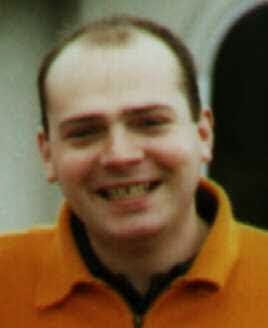
Joachim Løvschall: December 7, 1970 - March 29, 1997
 

Joachim Løvschall was studying Spanish in Havana in the spring of 1997. He was gunned down by a soldier of the Castro regime in Havana, Cuba twenty five years ago today on March 29, 1997. The identity of the soldier was never revealed to Joachim''s family. No one was brought to justice. Joachim's family is not satisfied with the official explanation.

The last time they saw Joachim
On March 28, 1997 Joachim Løvschall ate his last dinner with white wine in a little restaurant called Aladin, located on 21st street in Havana. He went to the Revolutionary Plaza and bought a ticket to the Cuban National Theater. Following the performance he went to the theater's bar, Cafe Cantante, and met up with two Swedish friends. They each drank a couple of beers, but soon left because Joachim did not like the music. At 23:30, they said good bye to each other on the sidewalk in front of Cafe Cantante. 


Joachim was never seen alive again. 

Last seen in the front of Cafe Cantante

The Castro regime's version of what happened
On September 28, 1997 the Danish newspaper Jyllands-Posten published an article by Kim Hundevadt titled "Dangerous Vacation" that outlined what happened to Joachim Løvschall and presented the Castro dictatorship's version of the events leading to this young man's death:

Around 23:30, a person matching Joachim Løvschall's description was in a bar named Segundo Dragon d'Oro. The bar lies in the hopeless part of town, around the Revolutionary Plaza which is dominated by ministry and other official buildings of harsh concrete architecture, and lies empty in at night.
At 2:45am he left the bar, after becoming intoxicated. Around 20 minutes later, he was walking down the Avenue Territorial, behind the Defense Ministry.

Joachim Løvschall walked, according to the Cuban authorities, first on the sidewalk that lies opposite the Ministry. Midway he crossed over to the other sidewalk, considered to be a military area, though it is not blocked off.

The Cubans have explained that Joachim Løvschall was shouted at by two armed guards, who in addition fired warning shots, which he did not react to. Therefore, one guard shot from the hip with an AK-47 rifle. The first shot hit Joachim in the stomach and got him to crumble down. The second shot hit slanting down the left side of the neck.

Joachim Løvschall gunned down in Cuba in 1997

Fifteen years ago

On June 12, 2007 Christian Løvschall, Joachim's father, at a parallel forum at the United Nations Human Rights Council spoke about his son's disappearance and the struggle to find out if Joachim was dead or alive:

"Although the killing took place on the 29th of March, we only came to know about it on the 6th of April - i.e. after 8 days were we had the feeling that the Cuban authorities were unwilling to inform anything about the incident. Only because of good relations with Spanish speaking friends in other Latin American countries did we succeed in getting into contact with the family with whom Joachim stayed and the repeated message from their side was that they could reveal nothing, but that the situation had turned out very bad and that we had to come to Cuba as soon as possible. At the same time all contacts to the responsible authorities turned out negatively... Only after continued pressure from our side on the Cuban embassy in Copenhagen, things suddenly changed and the sad information was given to us by our local police on the evening of the 6th of April. We are, however, 100% convinced that had we not made use of our own contact and had we not continued our pressure on the embassy in Copenhagen, we might have faced a situation where Joachim would have been declared a missing person, a way out the Cuban authorities have been accused of applying in similar cases."
 Ten years later Christian Løvschall outlined what he knew concerning his son's untimely death:
We do feel we were (and still are) left with no answers except to maybe one of the following questions: Where, When, Who, Why Starting out with the where we were told that Joachim was killed by the soldiers outside the Ministry of Interior.
Where
What we do not understand is why no fence or signs did inform that this is a restricted area? I have been on the spot myself, and the place appears exactly like a normal residential area. So you may question whether this in fact was the place of the killing? Contrary to this the authorities keep maintaining that the area was properly sealed off, and the relevant sign posts were in place.
When
As to when Joachim was killed we only have the information received from the police because of the delay informing one might believe that this is another forgery made up to cover the truth.
Who
The who was in our opinion has never been answered by the Cuban authorities. We understand that a private soldier on duty was made responsible for the killing, and also it has been rumored that his officer in charge has been kept responsible. This is of course the easy way out, but why can't we get to know the whole and true story?   
Why 
Why did the soldiers have to fire two shots, one to his body and one to his head, to murder him? Was Joachim violent and did he, an unarmed individual, attack the armed soldiers? Or is it simply that the instruction to Cuban soldiers are: first you shoot and then you ask? But again: Who can explain why two shots were needed?
Despite the claims made by the travel industry there have been other travelers to Cuba who have been killed or gone missing under suspicious circumstances. Others have been falsely imprisoned in legal proceedings that fall far short of international standards. Like North Korea, but with a tropical twist, Cuba suffers a dictatorship where both nationals and foreigners have no legal protections locally if they run into trouble with the regime. The ongoing plight of Benjamin Tomlin, who has spent three years in a Cuban prison, should lead others considering a holiday in Cuba to think twice. So should what happened to Joachim Løvschall on March 29, 1997 when he was gunned down by an AK-47 wielding Cuban soldier for allegedly walking on the wrong sidewalk.

Monday, March 29, 2021

24 years without justice for Danish student gunned down in Havana by a soldier

"There may be times when we are powerless to prevent injustice, but there must never be a time when we fail to protest." - Elie Wiesel, Nobel Lecture 1986


Joachim Løvschall: December 7, 1970 - March 29, 1997
Joachim Løvschall was studying Spanish in Havana in the spring of 1997. He was gunned down by a soldier of the Castro regime in Havana, Cuba twenty four years ago today on March 29, 1997. The identity of the soldier was never revealed to Joachim''s family. No one was brought to justice. Joachim's family is not satisfied with the official explanation.

The last time they saw Joachim
On March 28, 1997 Joachim Løvschall ate his last dinner with white wine in a little restaurant called Aladin, located on 21st street in Havana. He went to the Revolutionary Plaza and bought a ticket to the Cuban National Theater. Following the performance he went to the theater's bar, Cafe Cantate, and met up with two Swedish friends. They each drank a couple of beers, but soon left because Joachim did not like the music. At 23:30, they said good bye to each other on the sidewalk in front of Cafe Cantate. 


Joachim was never seen alive again. 

The Castro regime's version of what happened
On September 28, 1997 the Danish newspaper Jyllands-Posten published an article by Kim Hundevadt titled "Dangerous Vacation" that outlined what happened to Joachim Løvschall and presented the Castro dictatorship's version of the events leading to this young man's death:

Around 23:30, a person matching Joachim Løvschall's description was in a bar named Segundo Dragon d'Oro. The bar lies in the hopeless part of town, around the Revolutionary Plaza which is dominated by ministry and other official buildings of harsh concrete architecture, and lies empty in at night.
At 2:45am he left the bar, after becoming intoxicated. Around 20 minutes later, he was walking down the Avenue Territorial, behind the Defense Ministry.

Joachim Løvschall walked, according to the Cuban authorities, first on the sidewalk that lies opposite the Ministry. Midway he crossed over to the other sidewalk, considered to be a military area, though it is not blocked off.

The Cubans have explained that Joachim Løvschall was shouted at by two armed guards, who in addition fired warning shots, which he did not react to. Therefore, one guard shot from the hip with an AK-47 rifle. The first shot hit Joachim in the stomach and got him to crumble down. The second shot hit slanting down the left side of the neck.
Joachim Løvschall gunned down in Cuba in 1997
Fourteen years ago
On June 12, 2007 Christian Løvschall, Joachim's father, at a parallel forum at the United Nations Human Rights Council spoke about his son's disappearance and the struggle to find out if Joachim was dead or alive:
"Although the killing took place on the 29th of March, we only came to know about it on the 6th of April - i.e. after 8 days were we had the feeling that the Cuban authorities were unwilling to inform anything about the incident. Only because of good relations with Spanish speaking friends in other Latin American countries did we succeed in getting into contact with the family with whom Joachim stayed and the repeated message from their side was that they could reveal nothing, but that the situation had turned out very bad and that we had to come to Cuba as soon as possible. At the same time all contacts to the responsible authorities turned out negatively... Only after continued pressure from our side on the Cuban embassy in Copenhagen, things suddenly changed and the sad information was given to us by our local police on the evening of the 6th of April. We are, however, 100% convinced that had we not made use of our own contact and had we not continued our pressure on the embassy in Copenhagen, we might have faced a situation where Joachim would have been declared a missing person, a way out the Cuban authorities have been accused of applying in similar cases."
 Ten years later Christian Løvschall outlined what he knew concerning his son's untimely death:
We do feel we were (and still are) left with no answers except to maybe one of the following questions: Where, When, Who, Why Starting out with the where we were told that Joachim was killed by the soldiers outside the Ministry of Interior.
Where
What we do not understand is why no fence or signs did inform that this is a restricted area? I have been on the spot myself, and the place appears exactly like a normal residential area. So you may question whether this in fact was the place of the killing? Contrary to this the authorities keep maintaining that the area was properly sealed off, and the relevant sign posts were in place.
When
As to when Joachim was killed we only have the information received from the police because of the delay informing one might believe that this is another forgery made up to cover the truth.
Who
The who was in our opinion has never been answered by the Cuban authorities. We understand that a private soldier on duty was made responsible for the killing, and also it has been rumored that his officer in charge has been kept responsible. This is of course the easy way out, but why can't we get to know the whole and true story?   
Why
Why did the soldiers have to fire two shots, one to his body and one to his head, to murder him? Was Joachim violent and did he, an unarmed individual, attack the armed soldiers? Or is it simply that the instruction to Cuban soldiers are: first you shoot and then you ask? But again: Who can explain why two shots were needed?
Despite the claims made by the travel industry there have been other travelers to Cuba who have been killed or gone missing under suspicious circumstances. Others have been falsely imprisoned in legal proceedings that fall far short of international standards. Like North Korea, but with a tropical twist, Cuba suffers a dictatorship where both nationals and foreigners have no legal protections locally if they run into trouble with the regime. The ongoing plight of Benjamin Tomlin, who has spent three years in a Cuban prison, should lead others considering a holiday in Cuba to think twice. So should what happened to Joachim Løvschall on March 29, 1997 when he was gunned down by an AK-47 wielding Cuban soldier for allegedly walking on the wrong sidewalk.

Wednesday, August 3, 2016

Tourism to Cuba: Travelers beware

What the travel guide won't tell you about Cuba


Sheila Dumbleton with her husband Ray
My conscience is clear because I have consistently warned tourists of the dangers of traveling to Cuba. The more pragmatic thing to do is to inform on purposeful travel to Cuba, how to avoid becoming a mouthpiece for the dictatorship and avoid being accused of sensationalism or fear mongering but then remaining silent would haunt me.

Visitors to Cuba have gone missing, been stabbed to death or strangled in their rooms, and shot to death. In March of 1997 an AK-47 wielding Cuban soldier, who according to the official explanation, had his weapon jam while firing warning shots over a Danish student studying Spanish cutting him in half with 7.62 x 39 mm rounds killing him instantly. In January of 2015 Albert Romero, a 39 year old Tampa attorney, was found dead with a hand chopped off, repeatedly stabbed and tied down in a chair in his room in Havana, with a family friend who was also murdered.

Cuba remains a totalitarian, communist dictatorship without a free press, accurate violent crime statistics are unavailable, and foreign media in the island self-censor. The same holds true with hygiene and healthcare. Under the Castro regime there have been outbreaks of cholera for the first time since the colonial period when it had been eradicated over 130 years ago. Sadly, tourists occasionally get to see behind the veil of propaganda. Sometimes they do not survive the experience.

On April 30, 2016 the blog post "Why travel to Cuba is no carnival ride" stated the following:
If you get sick don't count on the healthcare being free in Cuba. New York high school teacher Alfredo Gómez contracted cholera during a family visit to Havana during the summer of 2013 and was billed $4,700 from the government hospital. A total of 12 tourists have been identified who have contracted cholera in Cuba. 
Unfortunately the above information is not widely known because it does not fit the narrative promoting Cuba as a vacation destination or the dodgy nature of travel health insurance. Sadly there is now another cautionary tale.

Ray and Sheila Dumbleton traveled to Cuba in June of 2016 on what was supposed to be a dream vacation that turned into a nightmare that is still ongoing. Sheila (age 57) is dead and the family is trying to raise $26,700 to get her remains back from Cuba.

Birmingham Mail and ITV have covered the story interviewing family members. On July 24, 2016 Ray Dumbleton, the widower spoke to the press:
A grief-stricken pensioner said his wife was "left to die" in a Cuban hospital - because they could not pay a £20,000 medical bill. Ray Dumbleton said he was even banned from saying a last goodbye to his beloved Sheila, his soulmate of 34 years, as her body lay alone . The 67-year-old, from Frankley , said his ordeal was like "hell on Earth".

He said: "If you think of a World War Two scene, then that might just start to come close."
Sheila died in hospital in Holguin, Cuba, after falling ill on the sixth day of what had been planned as the couple’s ‘dream holiday’.
Despite taking out ‘gold cover’ travel insurance, she was unable to claim for her medical treatment and was left with a £20,000 medical bill.
The 57-year-old, who suffered a stroke, a bleed on the brain and other complications, died while she was receiving treatment in hospital.
Now, her distraught family have been ordered to settle her medical bill to pay and must also find an extra £7,000 to bring Sheila’s body home.
“It felt that, as soon as the hospital knew we couldn’t pay, they left her to deteriorate,” Ray said.
“All the doctors kept saying to us was ‘payment, payment’ but we didn’t have the money to give them.
“The conditions in that hospital were horrendous – something I find hard to put into words.
“There were dead bodies left uncovered.
"It was as if they didn’t care about people’s dignity.
“They wouldn’t even allow me to see my wife’s body and pay my last respects to her.
"They just kept saying it was Cuban law.
“I will never get that chance again. They have broken my heart,
“I kept saying: ‘Forget Cuban law, I want to see my wife’.
"But they would not allow me that last moment with her.
“I felt powerless over there.
"At one point they even threatened to put me into prison if I carried on demanding to see her.
“As soon as Sheila died, it felt like they couldn’t get me out of the country quickly enough.
“It was like nothing I had ever seen before – I was treated like a VIP, ushered straight through customs and there were no security checks.
“Now, I am glad to be back home but I will cannot rest until Sheila is back here with her family.
“The only saving grace was that I did meet some lovely people out there and without them, I probably would not have got through this ordeal.”
A spokesman for White Horse Insurance Ireland, with whom the couple had travel insurance, said: “We were very sorry to hear of Mrs Dumbleton’s circumstances.
“Regrettably, as Mrs Dumbleton’s medical history was not disclosed, her claim was not covered by her insurance policy.”
Relatives launched a fundraising drive when they discovered Sheila had fallen ill and would be unable to claim on her insurance.
A GoFund me campaign was launched to pay the medical bill and bring her home alive – but she died before the target could be reached.
“We have raised more than £4,000 already, so if it’s just the £7,000 then we could probably do it,” said daughter Erica McCleary.
“But we still don’t know if they will allow us to bring Mum home without paying the medical bill.
“I cannot begin to say how generous and kind people have been after reading about our story.
“We have had complete strangers offering us large amounts of money. One person even offered us their life savings just so that we can get Mum’s body home.
“We just want Mum home with us so we are able to grieve properly, as a family.
“It’s good to finally have Ray home with us after him being stuck out there for a month but we need to be allowed to grieve properly.
“This whole process has been a nightmare and it’s still not over.
“We managed to go out and see Mum when she first fell ill but we were not allowed much time with her. and we didn’t really feel like she was being cared for properly.”
Sheila became a great-grandmother while she was in Cuba but never got to meet her first great grandchild.
As a matter of conscience I would not travel to Cuba to go on holiday for a number of reasons. Personally going to the island would only be to help everyday Cubans obtain their freedom while seeking to limit hard currency that my visit would give to the dictatorship's most repressive sectors. At the same time it is important to know that there are risks to going to the island, and if you are going to go you need to have an emergency plan if something goes wrong, and awareness that you are not in a normal country.
